Electrochemistry
Reliable cell assembly for electrochemical testing
In electrochemistry, the cell is part of the experiment.
When coulombic efficiency shifts, impedance rises unexpectedly, or cycle life data becomes difficult to interpret, the question is often whether it’s the chemistry that has changed or whether the cell has. Small differences in electrolyte dosing, electrode alignment, separator placement, or stack pressure can all affect the result, particularly when sample sizes are small or the changes under investigation are subtle.
That is why electrochemistry-focused laboratories need more than a way to make cells quickly. They need a way to make cells consistently enough that real material behaviour remains visible.
For many workflows, standard coin cells remain the natural starting point. They are familiar, efficient, and well suited to routine half-cell and full-cell testing. But where the work depends on tighter control over electrolyte volume, stack pressure, or the use of a reference electrode, the limitations of the format become more apparent. In those cases, the experimental platform matters just as much as the chemistry being tested.
Cellerate equipment is designed to support electrochemical testing where repeatability, traceability, and control over the build process are essential. It helps electrochemists reduce assembly-related noise, improve comparability between cells, and generate data they can interpret with greater confidence.
Built around repeatability
Cellerate systems are designed to remove the parts of cell assembly that most often undermine electrochemical confidence.
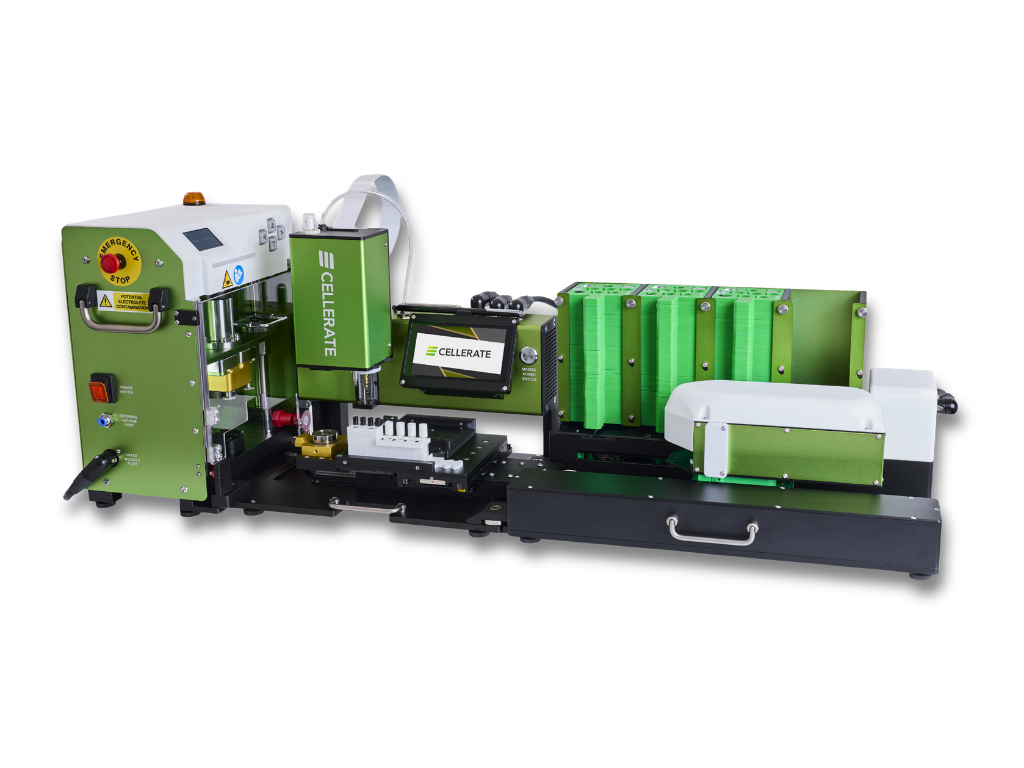
CASS automates the stacking and sealing of coin cells, Protocells, and single-layer pouch cells using controlled robotic handling, machine vision alignment, and precise electrolyte dispensing. This reduces operator-dependent variation and gives researchers a more consistent starting point for electrochemical testing. The system has been developed to achieve less than 100 μm electrode misalignment, support automated 5–200 μL electrolyte dispensing, and generate a traceable build record for every cell.

That level of control matters when the aim is to distinguish genuine changes in chemistry from changes in assembly. In customer and trial data, Cellerate-built cells have been associated with standard deviations of around 0.2–0.3%, improved consistency between operators, and more reliable electrochemical comparison across batches.
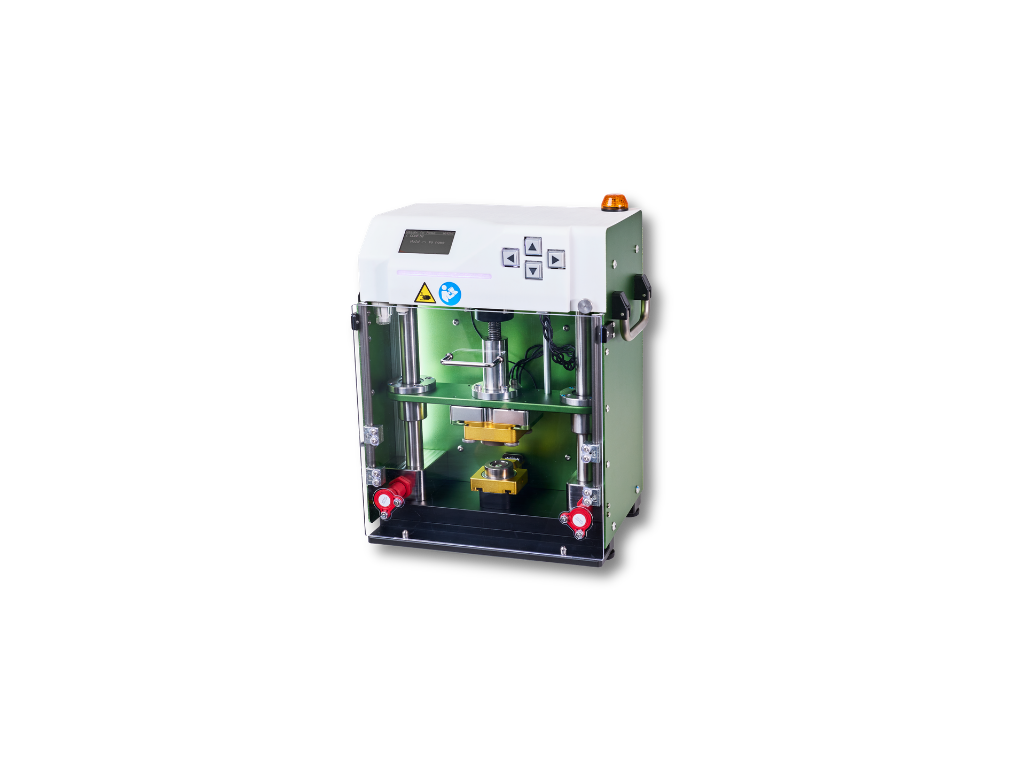
The Protocell format is particularly relevant to electrochemical studies. Using coin-cell-sized electrodes in a pouch architecture, it allows direct pressure control, controlled electrolyte volume, and reference electrode integration. That makes it well suited to studies which look at interfacial behaviour, electrode potentials, pressure effects, or lean-electrolyte conditions. It also simplifies disassembly and post-mortem analysis when a deeper look at the cell is needed.
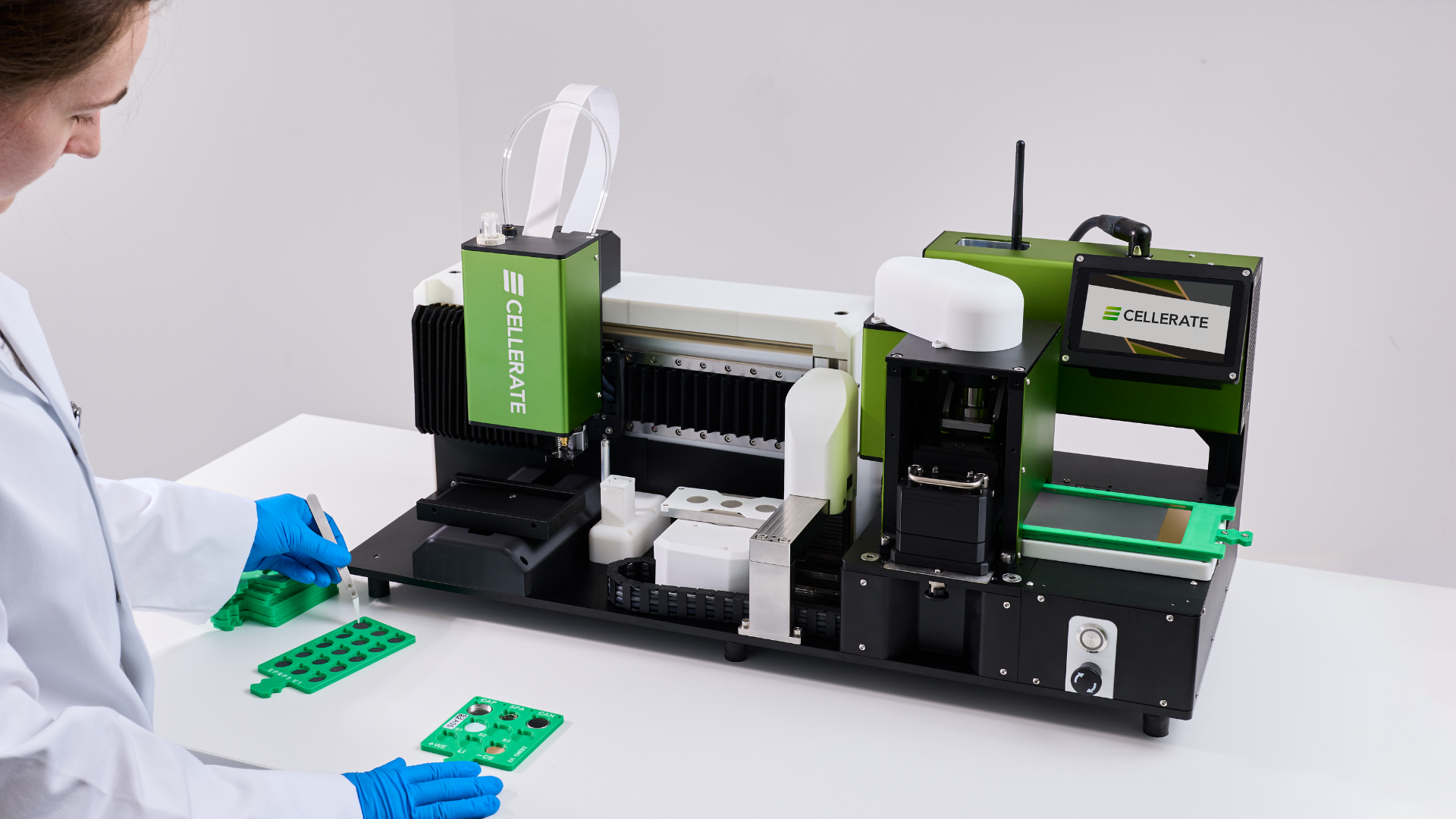
E-PREP supports the same goal further upstream. Where electrochemical comparability depends on consistent electrode cutting, and automated characterisation can reduce variation before the cell is even assembled. By minimising manual handling and capturing key measurements during sample preparation, it helps maintain tighter control across the full workflow.
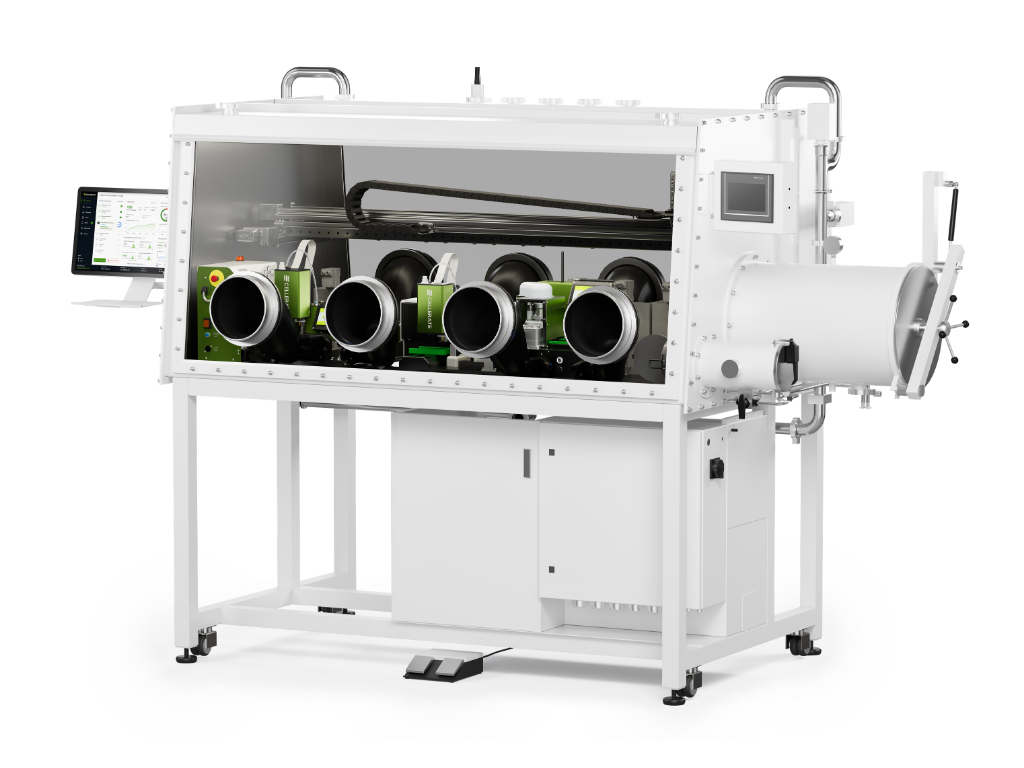
For larger electrochemical programmes, CASS-IQ extends this approach into higher-throughput, structured testing. It is intended for laboratories that need to build larger numbers of cells while maintaining the same emphasis on consistency, traceability, and confidence in the resulting data.
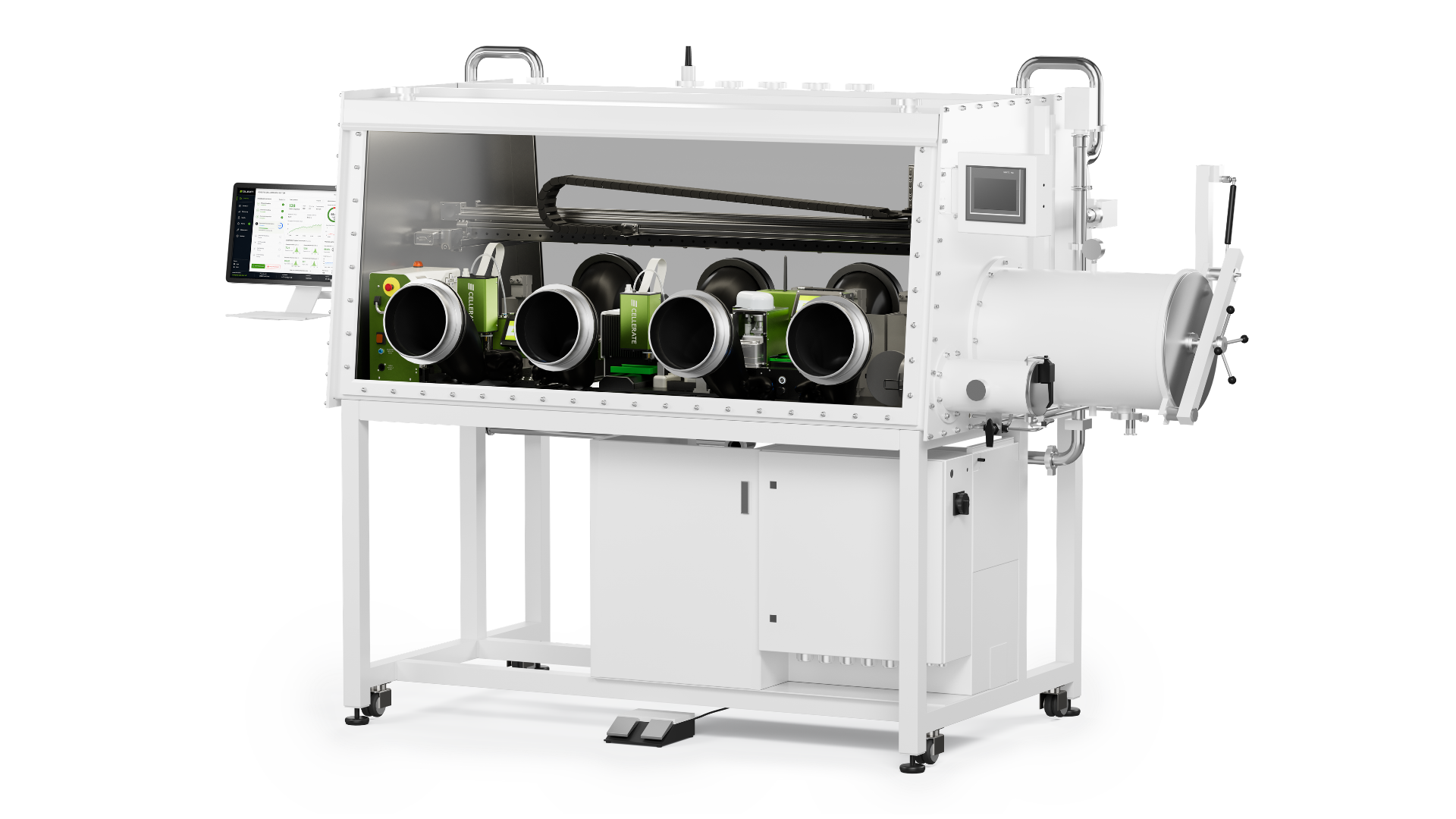
Taken together, these systems help ensure that differences in performance are more likely to come from the material or formulation under investigation, rather than from the way the cell was built.