Battery Material Research
Reliable cell assembly for materials development
In battery material research, the challenge is rarely just making a cell. It is making a cell that allows a new material to be judged fairly.
When a cathode formulation looks promising, when a new anode behaves differently to expectation, or when a change in coating chemistry appears to improve performance, the next question is whether the result really comes from the material, or from the way the cell was built around it. Small inconsistencies in electrode alignment, electrolyte dosing, separator handling, or sealing can make new materials look better, worse, or simply less consistent than they really are.
That problem becomes more important when materials are expensive, available only in small quantities, or still changing from batch to batch. In those conditions, failed cells and unnecessary variance do more than waste time. They slow down decisions and make it harder to identify which direction is worth pursuing.
Material research also tends to evolve quickly. Cell formats, build procedures, and test priorities may shift as the work moves from early feasibility studies towards more representative formats and larger experimental campaigns.
Cellerate equipment is designed to support that process, helping to move the most promising ideas forward with confidence. It gives material development teams a more controlled and flexible way to build cells, vary parameters within a defined workflow, and compare new materials with less assembly-related noise.
Built for changing workflows
Battery material research rarely stays still for long. New materials, new additives, new stack designs, and new test questions all place changing demands on the assembly workflow. Cellerate systems are designed to support that kind of development work without forcing teams into a fixed format too early.

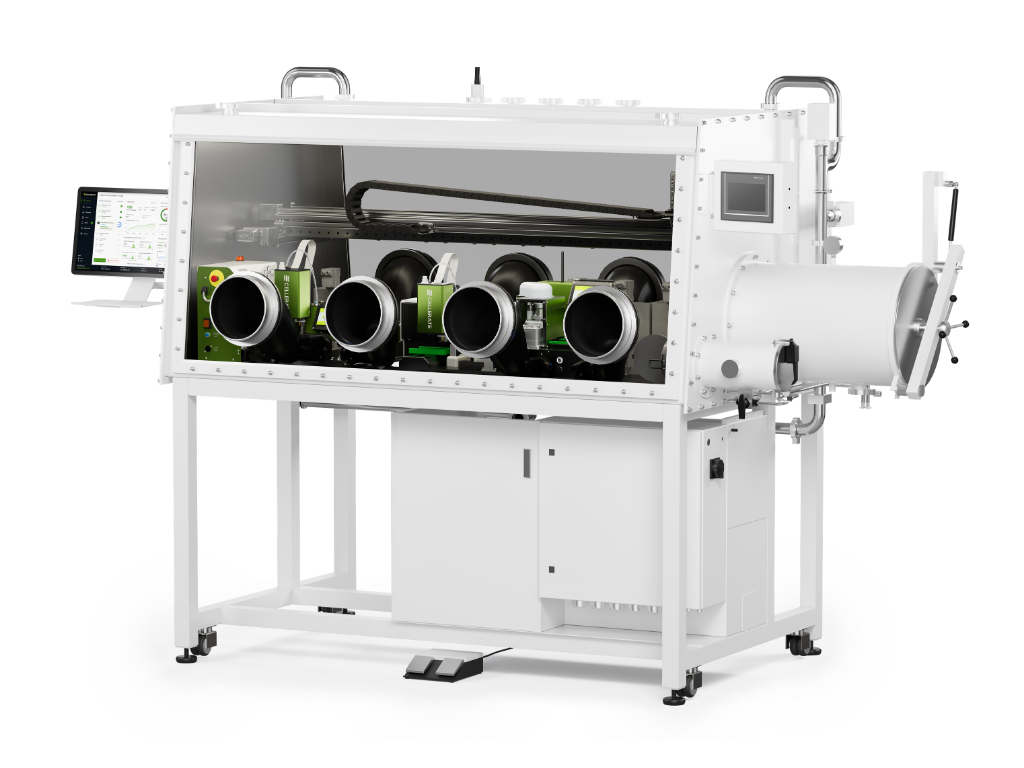
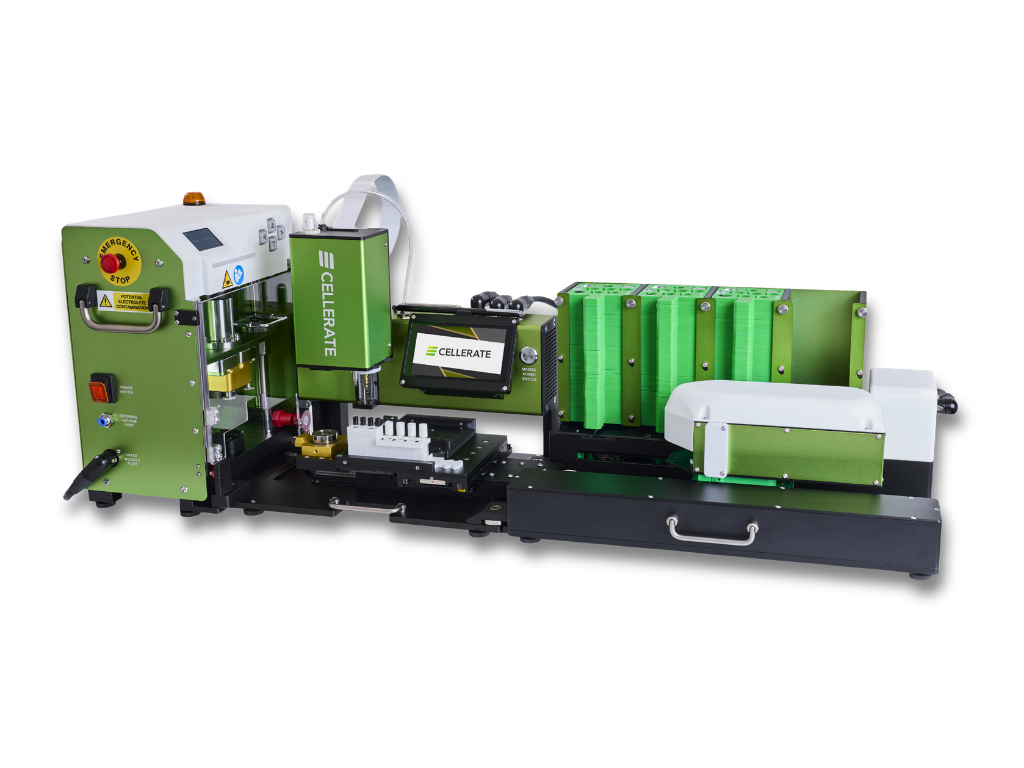
CASS provides a modular platform for assembling coin cells, Protocells, and single-layer pouch cells with controlled robotic handling, machine vision alignment, and traceable build logging. It supports both small-scale lab research and more automated batch production, allowing teams to work in familiar formats while retaining the flexibility to expand and adapt the workflow as requirements change.
For material research, that flexibility matters as much as repeatability. CASS supports precision assembly using active optical alignment, controlled electrolyte dispensing, and image logging of every build step. This allows researchers to compare materials under more consistent conditions and reduces the risk that handling differences mask genuine material effects. Cellerate-built cells have been associated with strong repeatability in customer and trial data, including standard deviations of around 0.2–0.3% and improved consistency between operators.
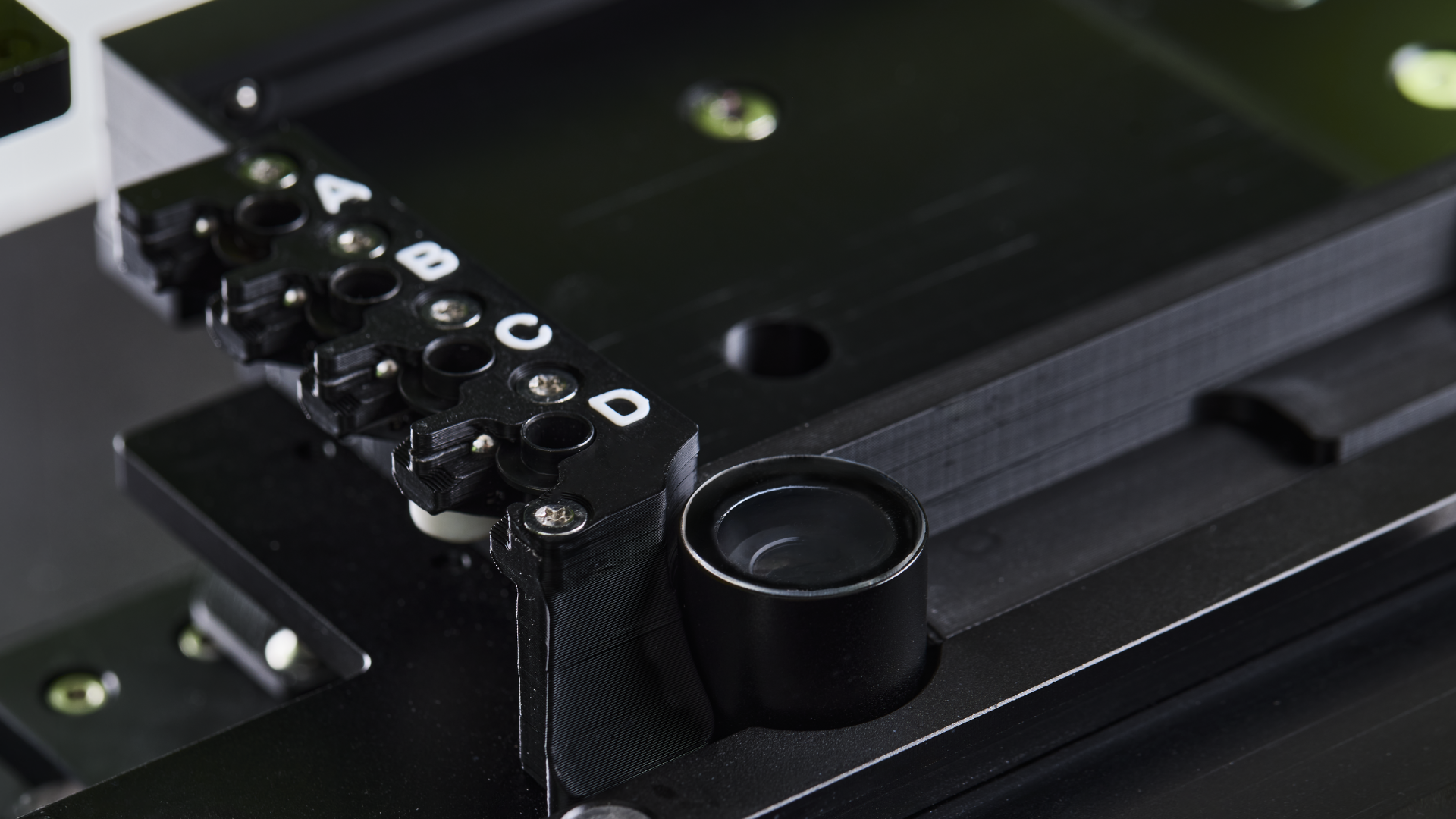
Where the work begins to scale, the same workflow can be extended to unattended batch production while still allowing controlled variation between cells where needed. That is particularly useful for iterative campaigns in which researchers want to screen multiple materials, additives, or build parameters without losing control over the assembly process.
The Protocell ecosystem is also relevant here. Protocells allow teams to move beyond a standard coin cell without immediately stepping into larger pouch workflows, while adding experimental capabilities such as pressure control, controlled electrolyte volume, and reference electrode compatibility. This makes them a useful format for researchers who want more insight from promising materials before moving further towards scaled cell designs.
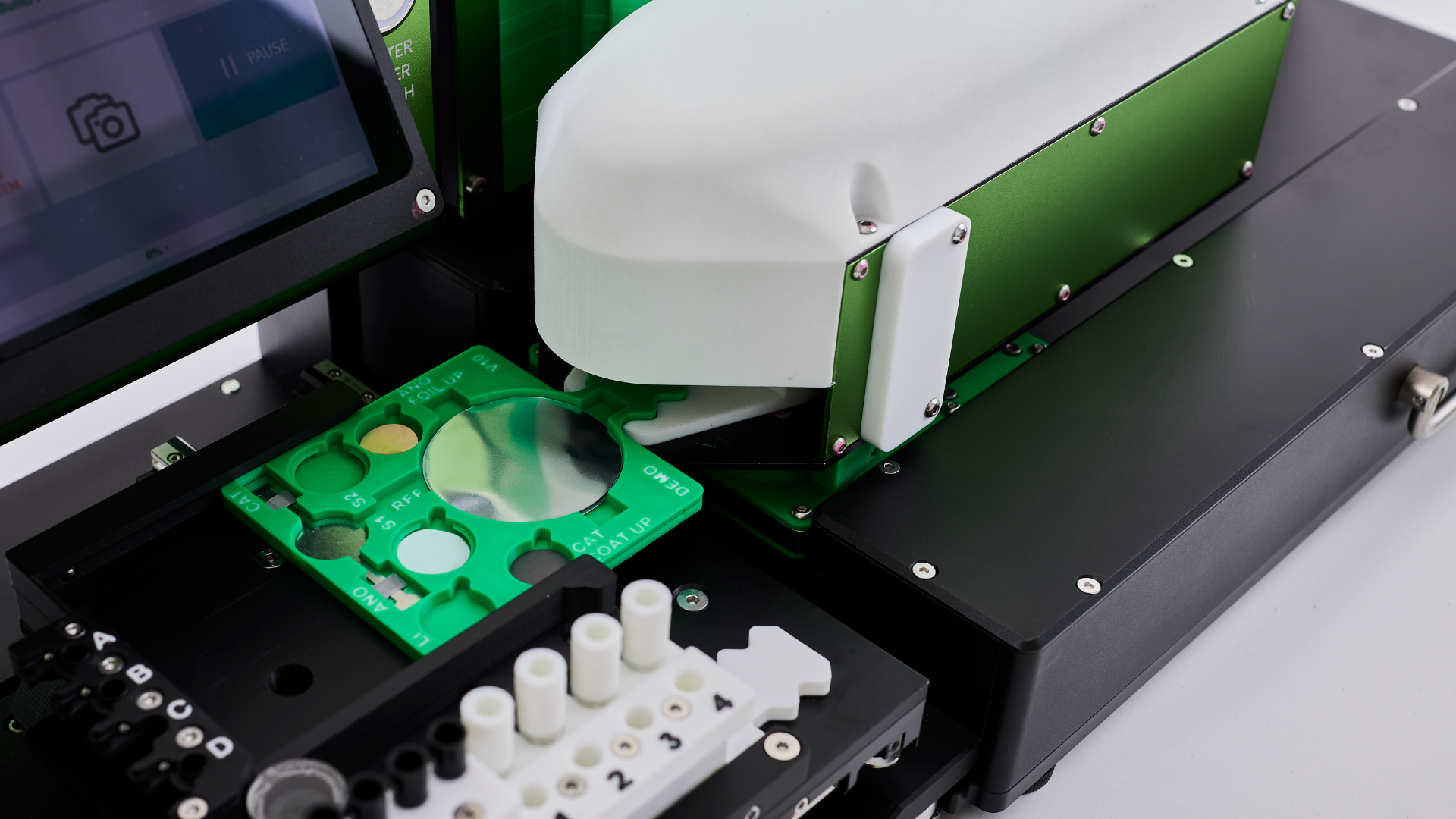
E-PREP supports the same goal further upstream. Material development workflows often rely on careful comparison between small numbers of samples, so variation introduced during electrode cutting and characterisation can become part of the problem. E-PREP helps standardise sample preparation before assembly, reducing manual handling and improving consistency in the inputs used for cell testing.
For larger materials validation programmes, CASS-IQ extends this approach into higher-throughput operation. It is suited to laboratories that need to build larger numbers of cells while maintaining the same emphasis on consistency, controlled workflows, and confidence in the resulting data.
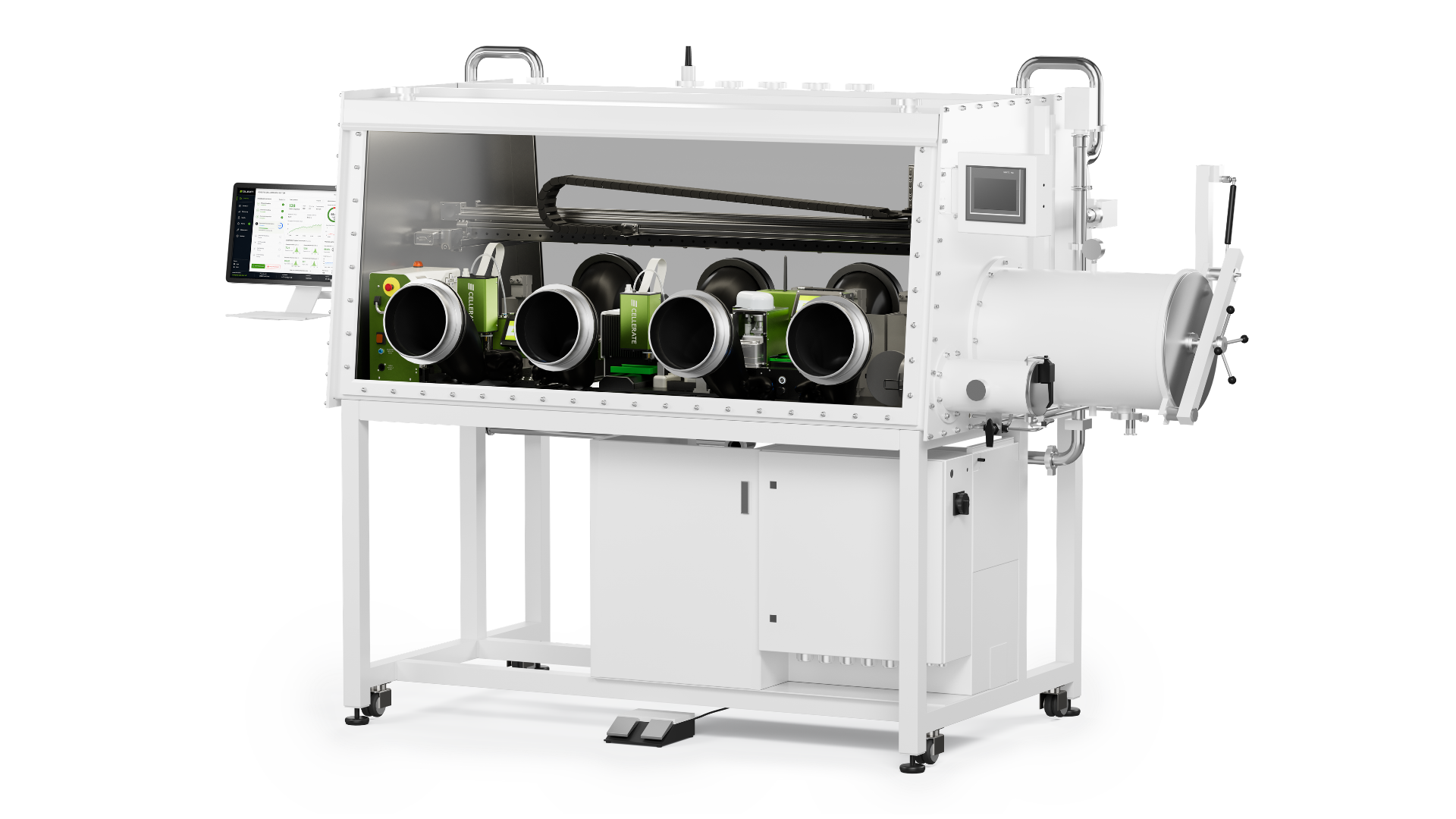
Taken together, these systems give battery material researchers a way to work with more flexibility, more controlled variation, and greater confidence that differences in performance are coming from the material itself.



.png)