Material Scale-Up and Process Development
Reliable cell assembly for process transfer and scale-up
Between early-stage materials research and full pilot production, there is a stage where the question changes. It is no longer just whether a material works. It is whether that performance can be carried forward into a more robust, repeatable, and manufacturable process.
At this point, the workflow starts to tighten. Cell builds need to be more consistent across users, more traceable across batches, and more representative of the formats and processes that will matter later. Throughput usually starts to increase as well, but without the freedom to accept the variability that often comes with manual scaling.
For teams working in scale-up and process development, the challenge is to increase output without losing fidelity. Results need to remain comparable as procedures become more structured, as testing volumes grow, and as work begins to move between departments or sites. That makes workflow robustness just as important as cell performance.
This is where the gap between typical lab tools and large bespoke pilot systems becomes most obvious. Manual or semi-manual methods can become too variable and labour-dependent, while larger production-style systems are often too fixed, too expensive, or too early for the stage of development.
Cellerate equipment is designed to bridge that gap. It gives scale-up teams a more controlled and traceable way to build cells at moderate scale, reduce operator dependency, and support process transfer with greater confidence.
Built for the transition to manufacturable workflows
Scale-up work is often defined by a gradual tightening of the process. What may have started as a flexible lab workflow begins to require stronger control over build conditions, clearer procedural consistency, and more reliable comparison between batches.
CASS supports that transition by automating the assembly of coin cells, Protocells, and single-layer pouch cells with controlled robotic handling, machine vision alignment, and traceable build logging. This makes it easier to move from low-volume experimental work towards more structured production of cells without losing sight of build quality. It also reduces dependence on a small number of highly experienced users by making the process more repeatable and easier to standardise.
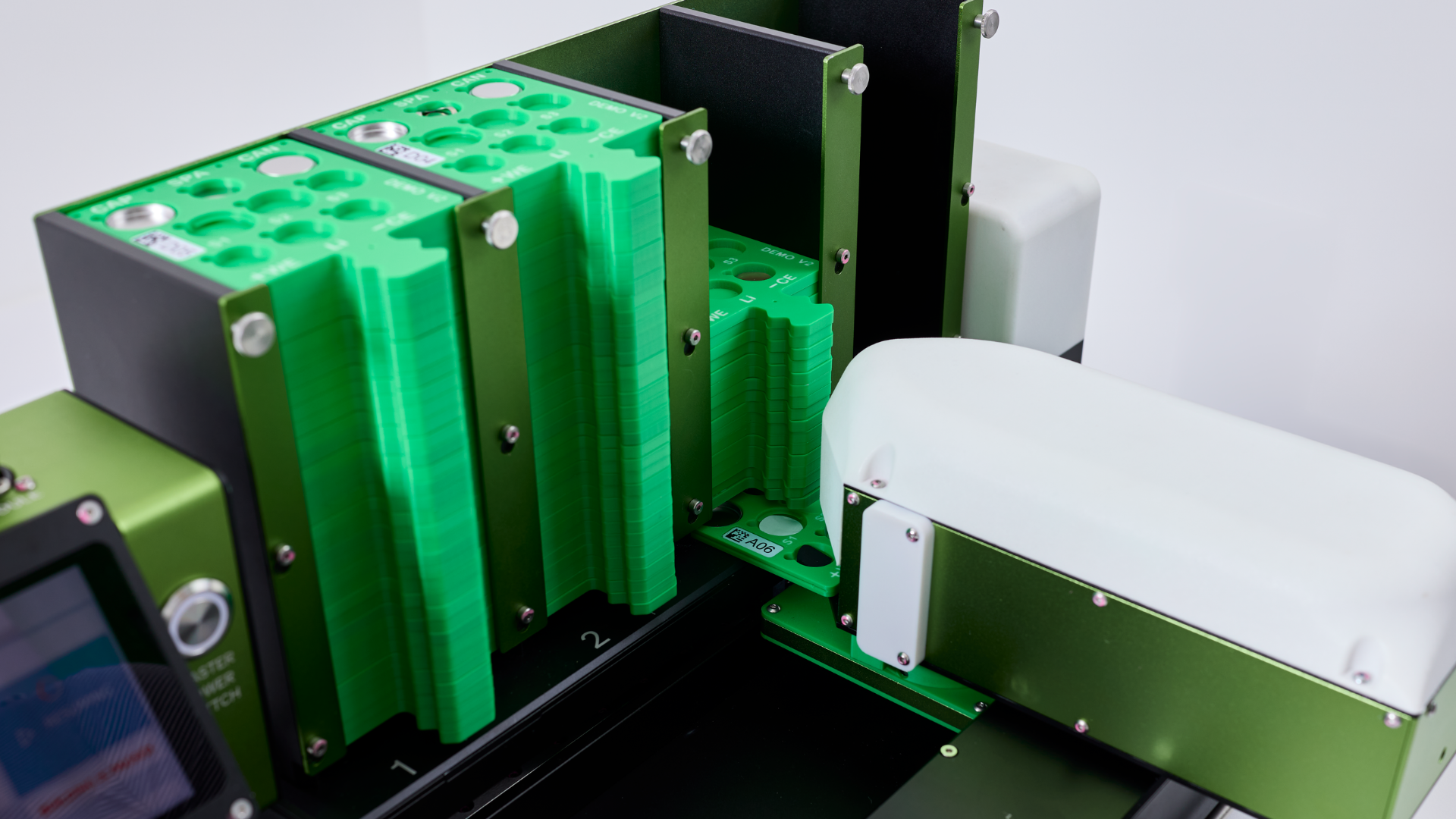
That repeatability matters when results need to be compared across teams, transferred between development stages, or used to support decisions about the next step in commercialisation. Cellerate-built cells have been associated with strong repeatability and improved consistency across operators, helping teams distinguish genuine process effects from handling-related variation.
Where throughput needs to increase, the same workflow can be extended to larger batch production while retaining controlled build conditions and traceability. That makes it possible to produce 100+ cells per week in a way that is still suited to development work, rather than forcing teams into the compromises of a full pilot line too early. It also helps create a more stable basis for process transfer, because each build is carried out within a defined and documented workflow.
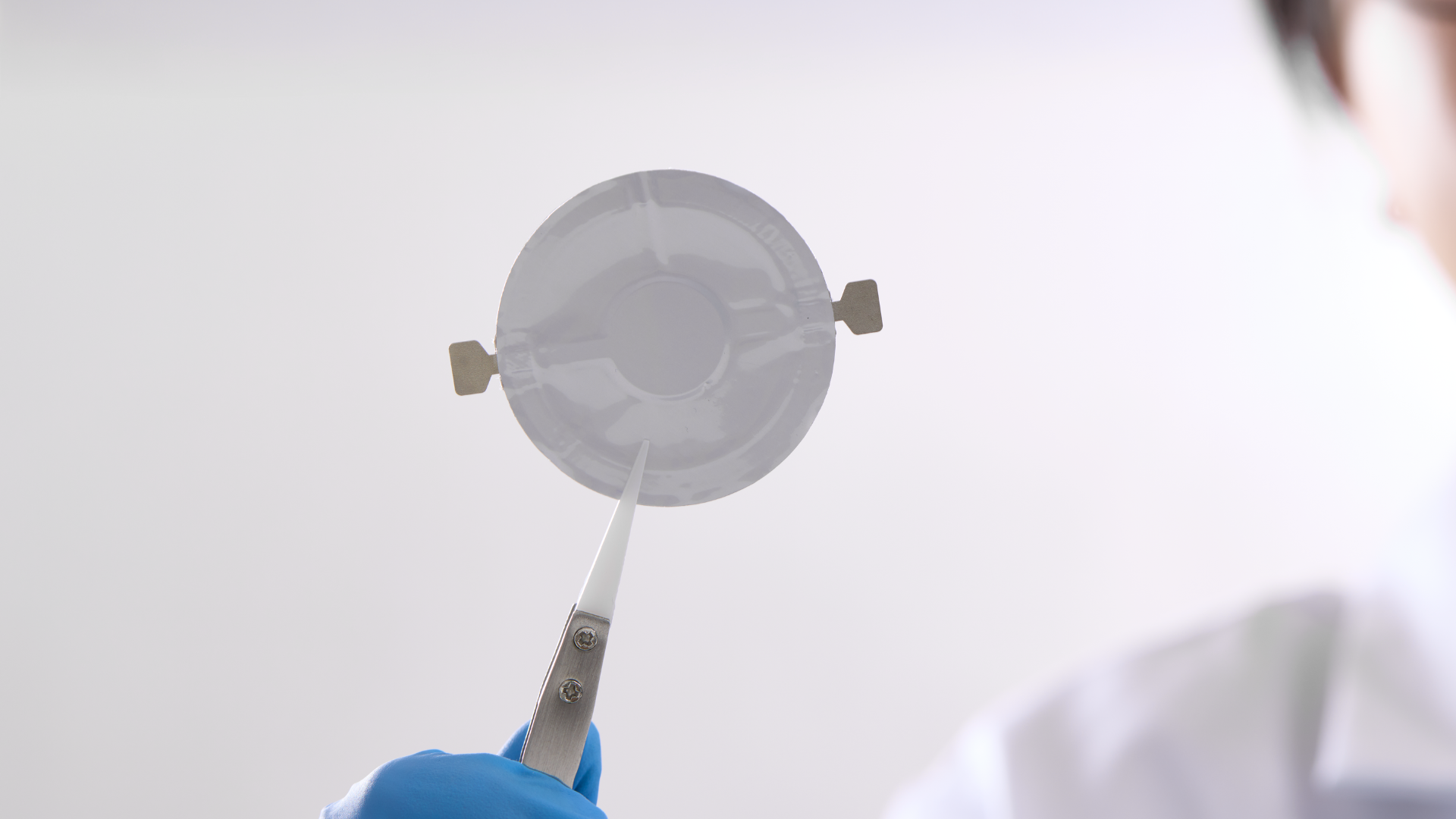
The Protocell ecosystem can also be useful at this stage. It provides a route to more informative and commercially relevant testing without immediately requiring full larger-format cell manufacturing. With pressure control, controlled electrolyte volume, and reference electrode compatibility, it can help teams understand how promising materials and processes behave under tighter and more representative conditions.
E-PREP supports the same objective upstream. In scale-up work, inconsistency in electrode preparation can quickly become a bottleneck or a source of hidden process variation. Automated cutting and characterisation help tighten control before assembly begins, making it easier to compare outputs and transfer procedures forward with confidence.
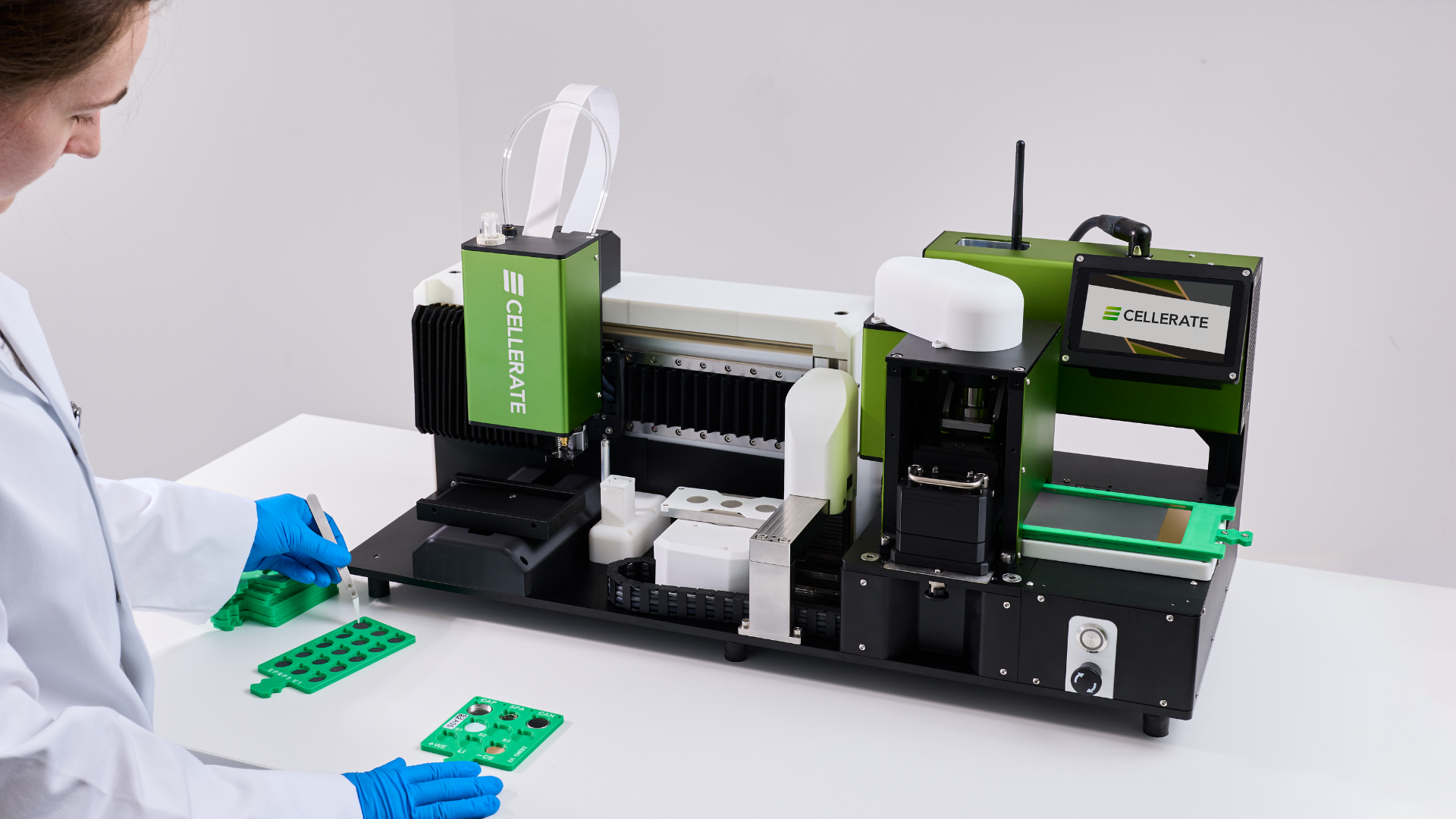
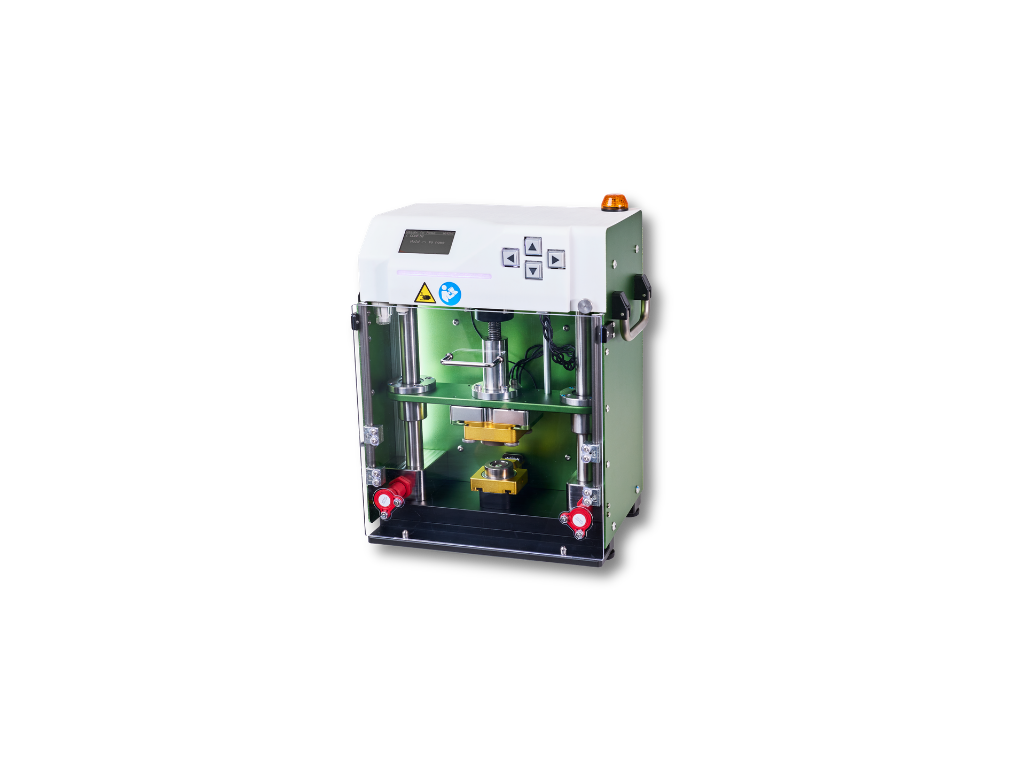
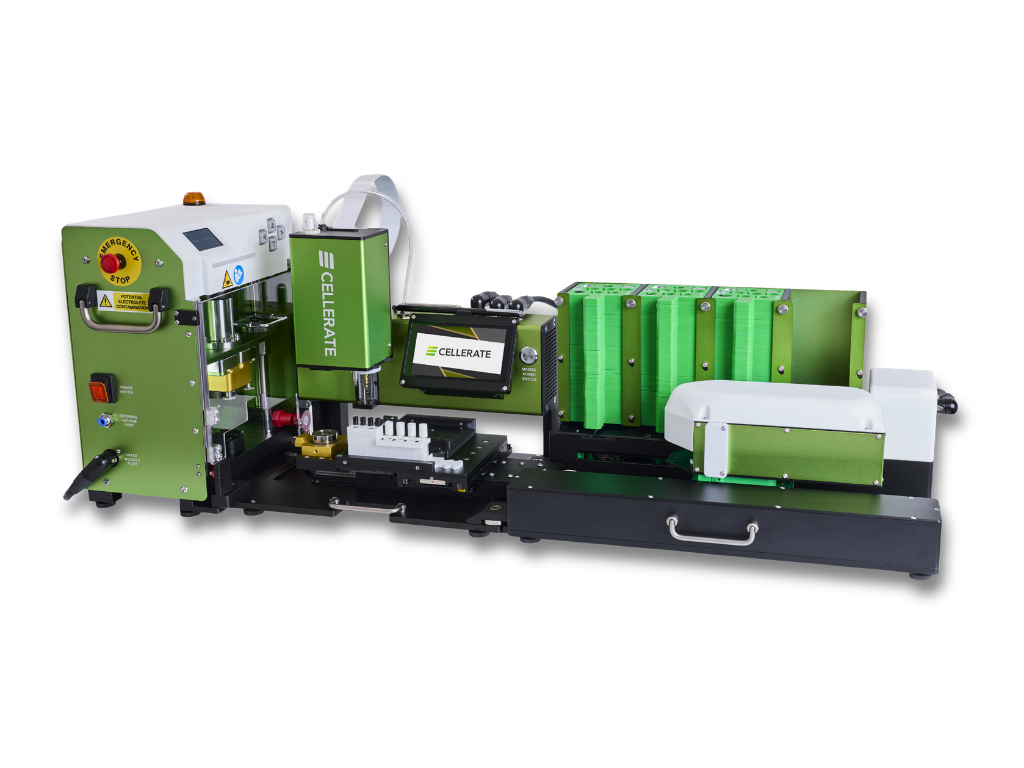
As the workflow continues to develop, the broader system becomes increasingly relevant. The Multi-Functional Press, Cutting System, and Straight Stacking System support teams moving towards more advanced pouch-based and stacked-cell processes, where lamination, cutting, and repeatable layer handling start to matter more. Together, these tools create a practical pathway from lab-scale validation towards more process-oriented cell development.
Taken together, these systems give scale-up and process development teams a way to increase throughput, strengthen repeatability, and build a workflow that is easier to transfer, standardise, and develop further.


.png)