Quality Control of Battery Materials
Reliable cell assembly for material validation
QC teams need to validate incoming or outgoing materials quickly, consistently, and with enough confidence to support real decisions. When a batch of active material, electrodes, or electrolyte is being assessed against a defined standard, the cell build itself cannot be allowed to introduce uncertainty. If the assembly process adds noise, then the result becomes harder to trust and slower to act on.
That matters because QC workflows are highly standardised, and tied closely to operational demands. The cell format is fixed. The procedure is defined. The priority is to keep generating reliable results as demand changes, without increasing delays, rework, or dependence on a small number of skilled operators.
In this environment, throughput and repeatability are both critical. QC teams may be under pressure from highly automated upstream production processes, and material validation needs to keep pace. They need a workflow that can handle routine testing efficiently, absorb demand spikes without major disruption, and deliver data that supports decisions the same day.
Cellerate equipment is designed to support that kind of operation. It gives material QC teams a more controlled and scalable way to build cells, reduce operator-dependent variation, and make validation decisions with greater confidence.
Built for stable, high-demand workflows
Quality control workflows are different from exploratory research. The aim is not to continually change the process. It is to run a defined process reliably, at the required scale, with as little variation and wasted effort as possible.
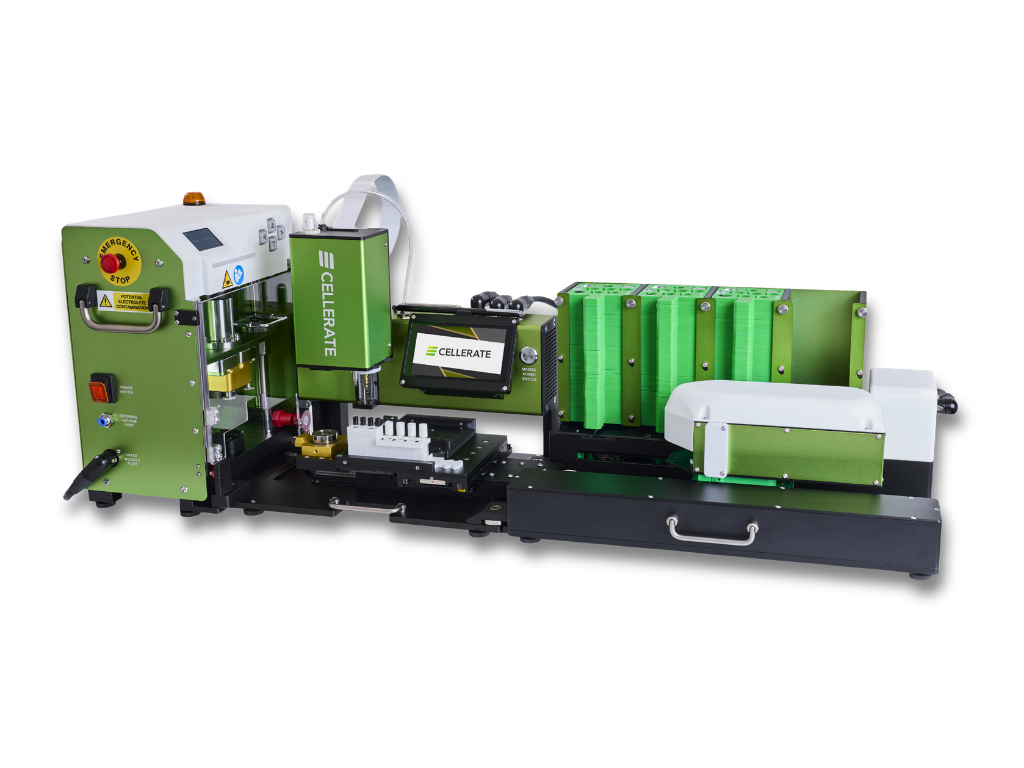
The CASS supports that by automating the assembly of coin cells, Protocells, and single-layer pouch cells with controlled robotic handling, machine vision alignment, and traceable build logging. For QC teams working to a fixed method, this helps remove the day-to-day variation that can otherwise appear between operators, shifts, or batches.
That has a direct effect on the quality of the result. Cellerate-built cells have been associated with standard deviations of around 0.2–0.3% and improved consistency across multiple users, helping teams compare materials under more controlled conditions and reduce uncertainty in the data. Customer and trial data has also shown lower failure rates, fewer assembly-related defects, and improved confidence in electrochemical interpretation. In practical terms, that means less rework, less wasted material, and a clearer basis for deciding whether a batch passes or fails.
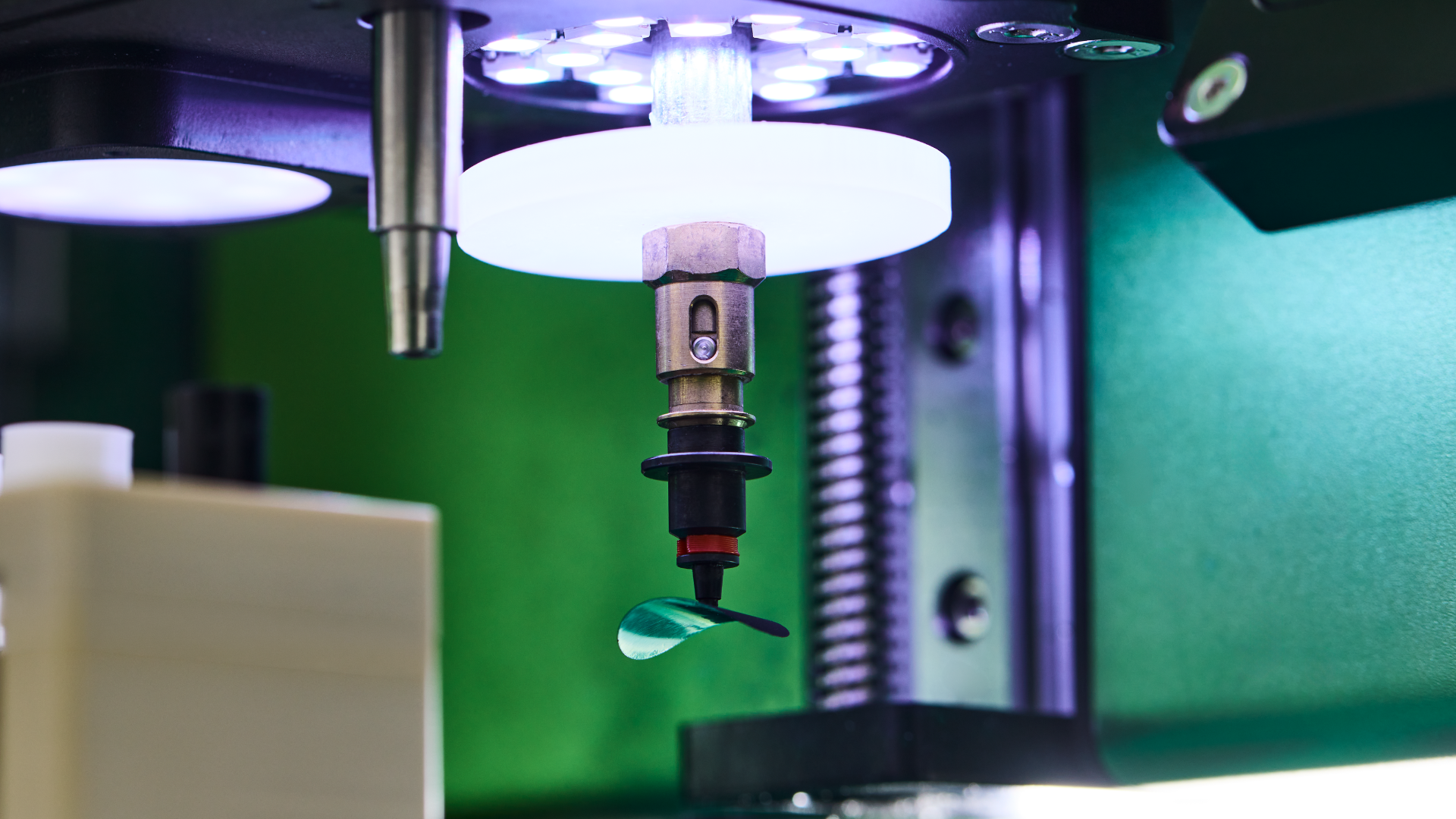
Automation also changes the labour profile of the workflow. Where manual QC cell building can tie up technicians for long periods, automated assembly allows a similar amount of staff time to support much larger production volumes. That is particularly useful when demand spikes, or when production is running at a pace that QC needs to match. Instead of scaling output mainly by adding labour, teams can increase throughput while keeping the process more stable.
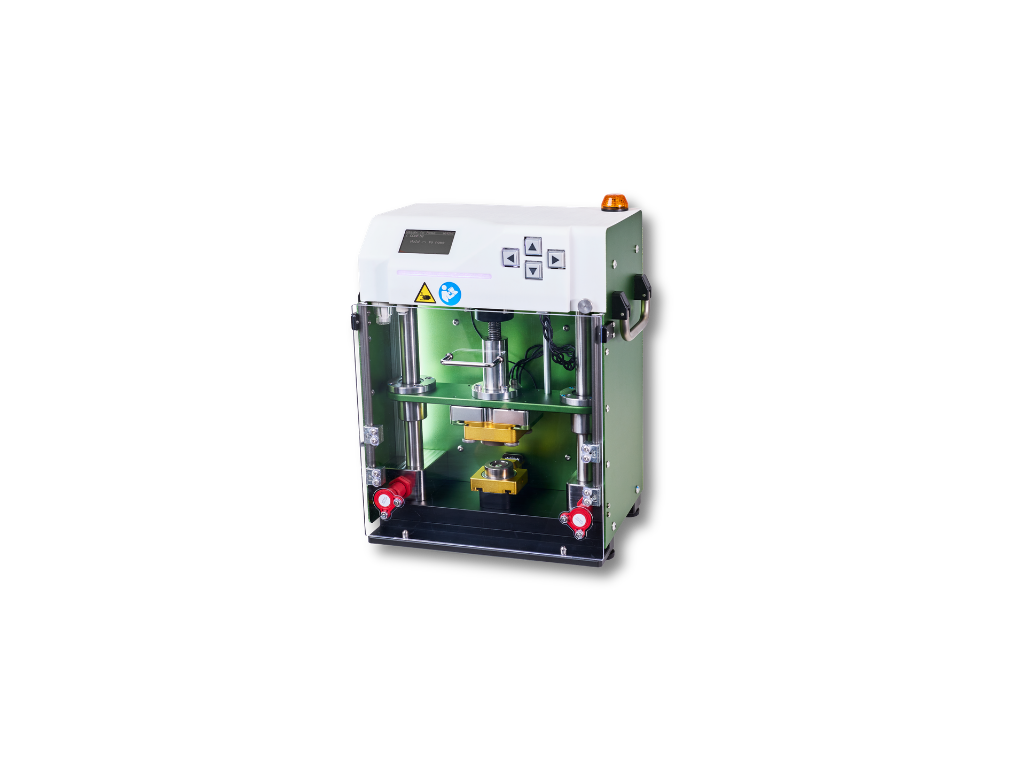
The E-PREP supports the same goal upstream. Where QC depends on consistent electrode sampling and measurement before assembly, automated cutting and characterisation help reduce handling variation and maintain tighter control over the workflow from sample preparation onwards. This is especially valuable in industrial environments where QC decisions affect supply chain release, production continuity, and material qualification.
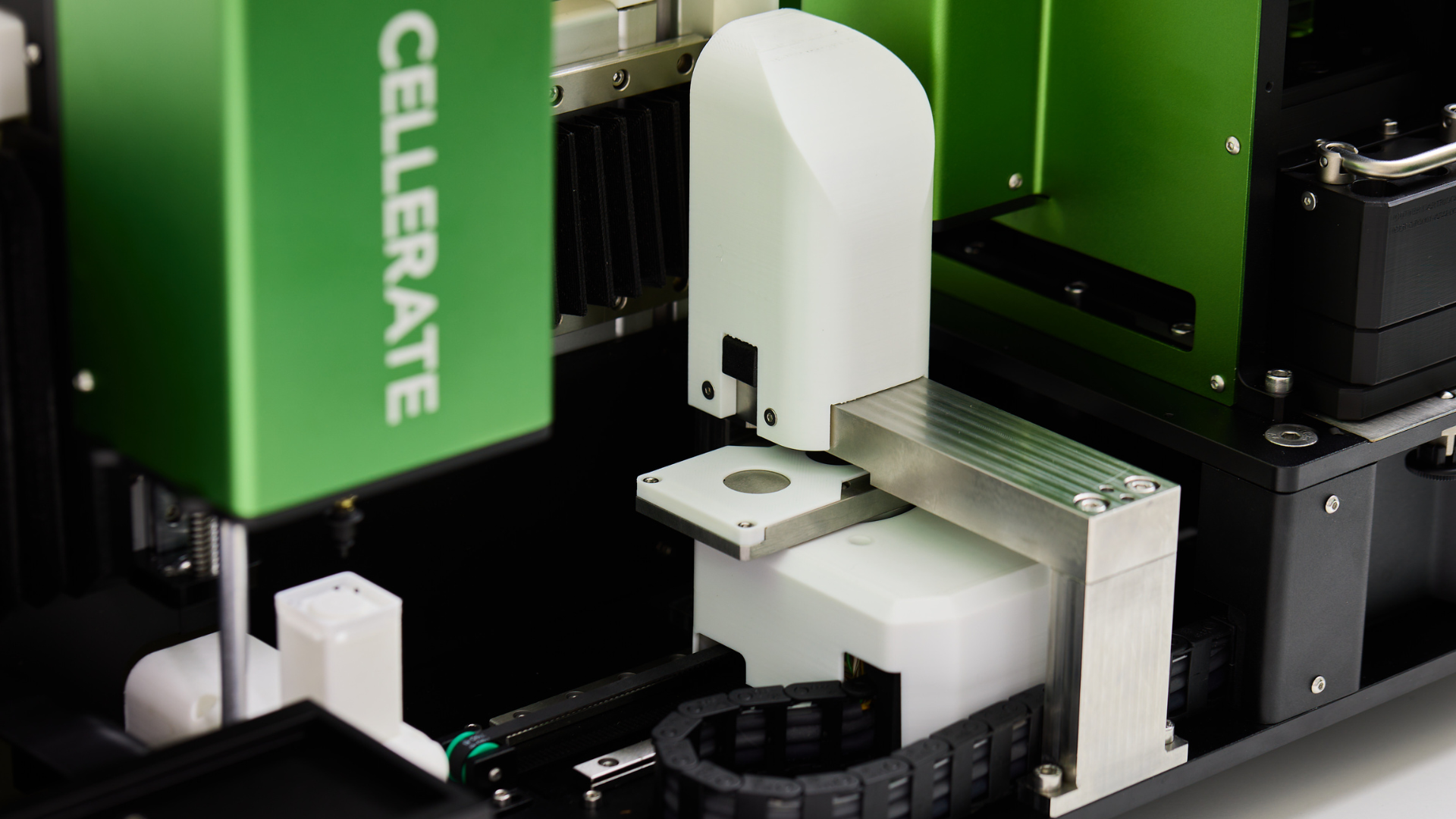
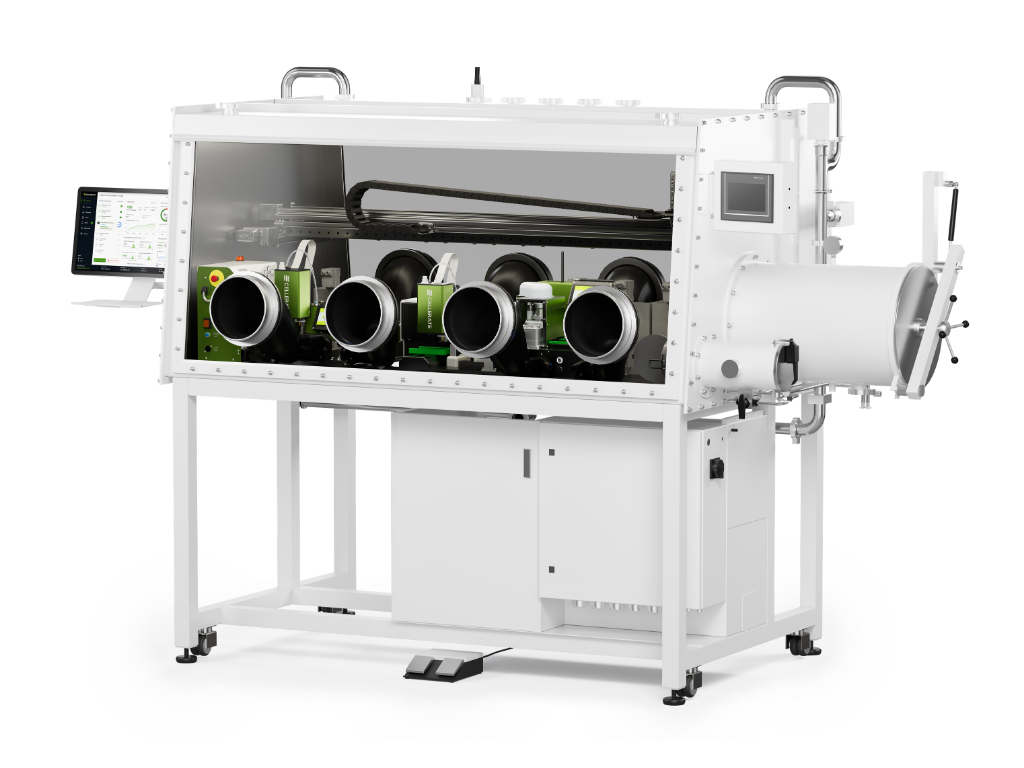
The Protocell ecosystem can also be relevant in QC settings where a more controlled format is useful for validating specific material behaviours, investigating pressure-sensitive effects, or introducing additional analytical capability. Where appropriate, it allows teams to build on a standardised QC workflow without losing control over repeatability and interpretation.
Taken together, these systems help QC teams generate reliable cell data with less labour, lower failure rates, and greater confidence that the result reflects the material being tested.