Cell Prototyping
Reliable cell assembly for early format development
Cell prototyping is often the point where research begins to move closer to product development.
At this stage, the question is no longer only whether a material or concept works in principle. It is whether that result carries forward into a more representative cell format, whether the design can be adapted quickly, and whether the next step can be tested without committing too early to larger-format tooling.
That makes flexibility especially important. Prototype workflows often involve small runs of different designs, rapid format changes, and a need to compare results across multiple cell types. Just as importantly, prototype cells are not always simple rectangles. Labs may need to explore different shapes, sizes, and stack structures to match real application constraints, whether that means compact consumer devices, smart wearables, drones, or other niche form factors.
Cellerate equipment is designed to support that transition. It gives teams a way to move between coin cells, Protocells, single-layer pouch cells, and more advanced multilayer pouch workflows without rebuilding the entire process around a new set of machines.
Built for flexible format development
Prototype development rarely follows a single fixed route. A team may begin with a standard coin cell, move to a Protocell for additional insight, then switch to a larger pouch format as the design becomes more commercially relevant. What matters is being able to do that without rebuilding the workflow each time.
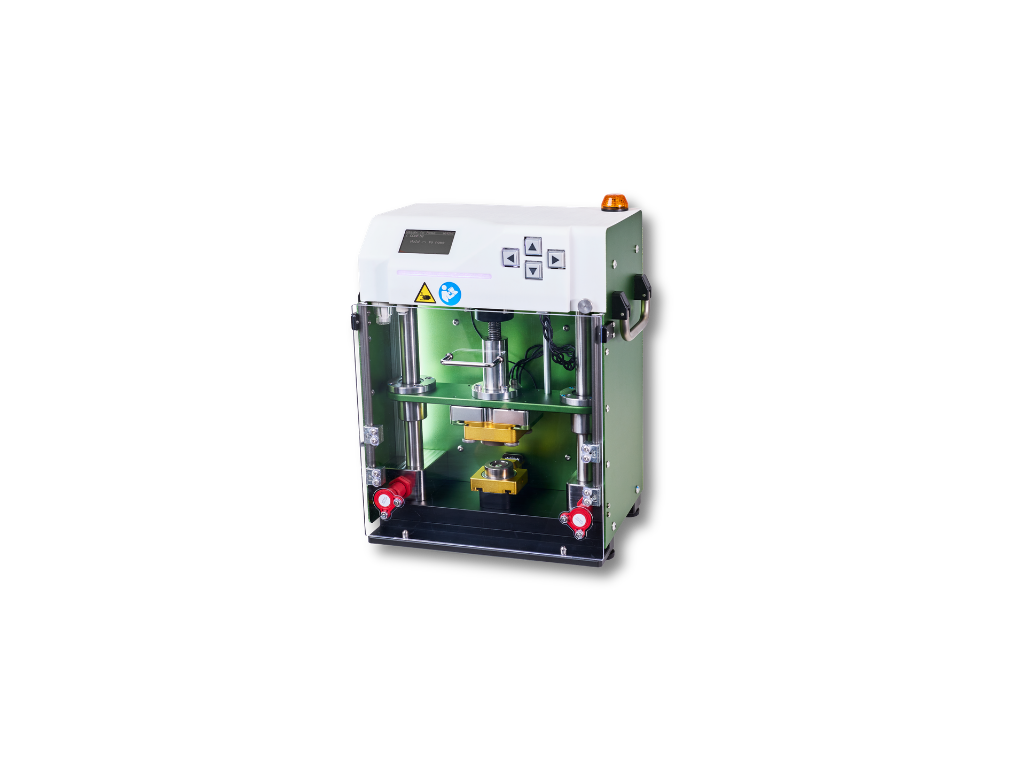
The Sealer is particularly useful here. It can crimp coin cells and vacuum seal Protocells and single-layer pouch cells on the same compact, glovebox-compatible platform, using interchangeable dies that can be changed quickly without specialist tools. That makes it possible to move between early-stage and more representative cell formats without creating separate workflows for each one.
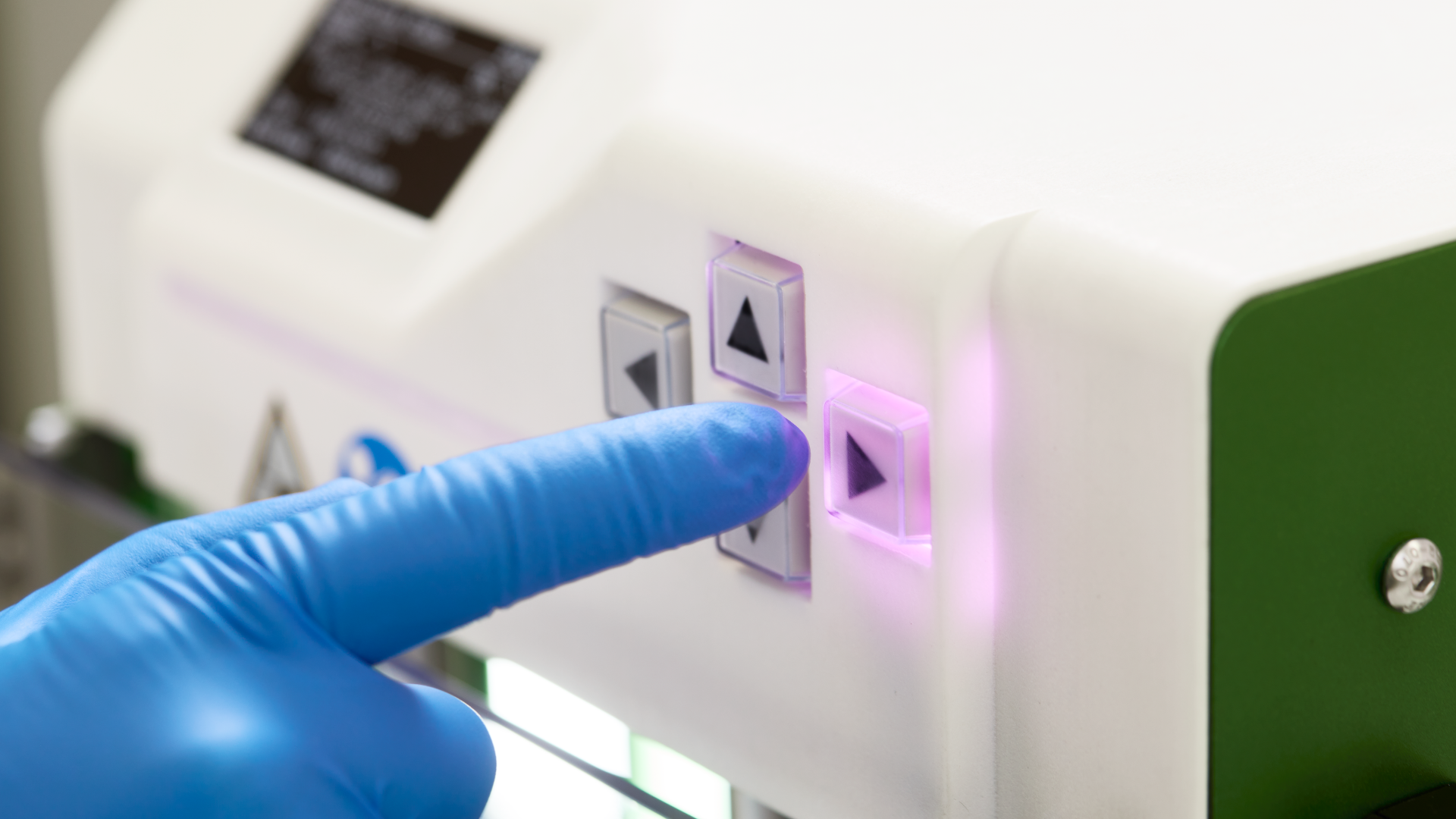
The CASS adds controlled robotic assembly, machine vision alignment, and traceable build logging for automated coin cell and Protocell workflows. That helps ensure that when a prototype behaves differently, the change is more likely to come from the design or format itself rather than from inconsistency in the build.
The Protocell ecosystem is especially useful in prototyping because it offers a practical step between coin cells and larger pouch-style cells, while also adding pressure control and reference electrode capability where more insight is needed during early development.
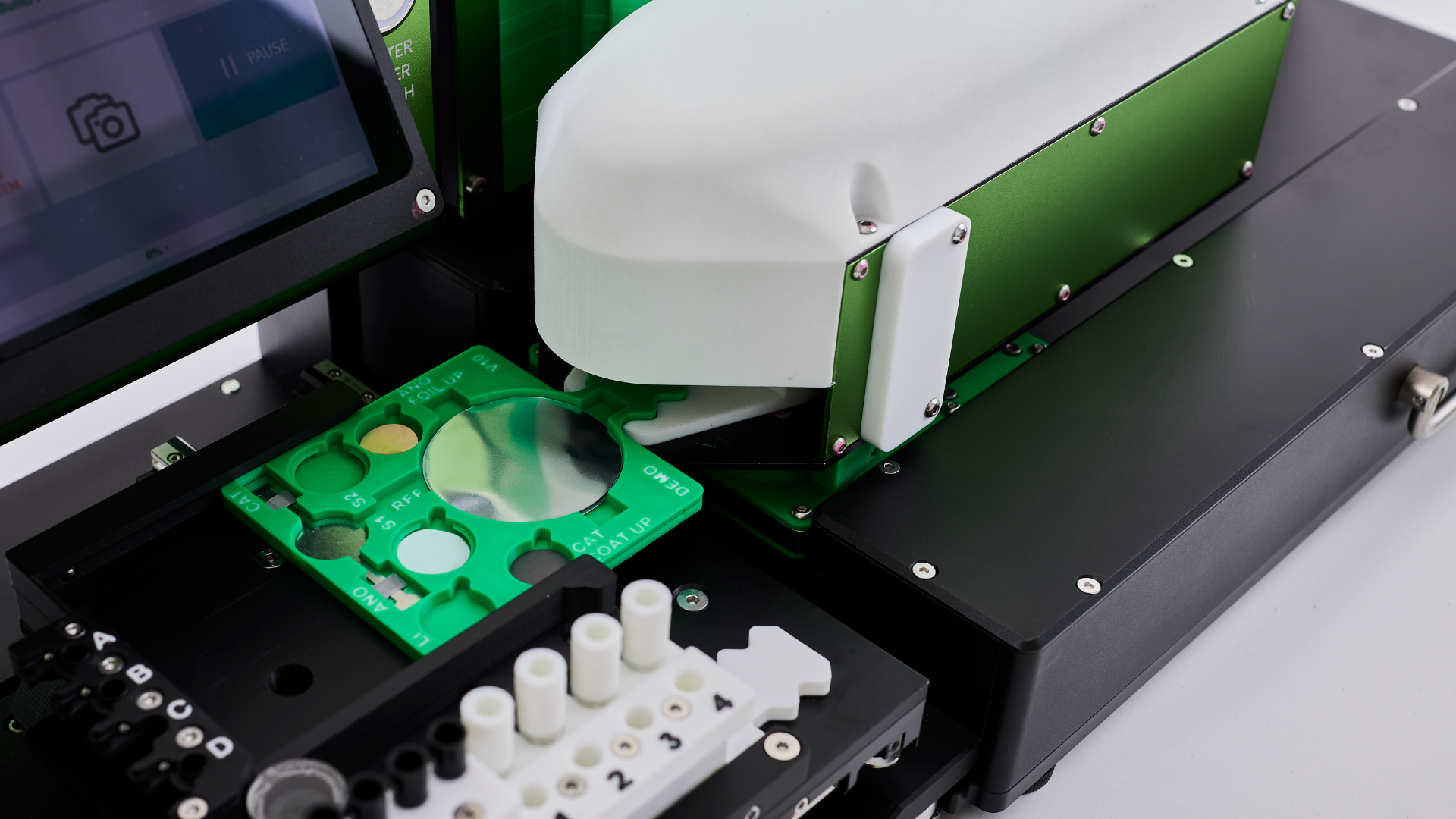
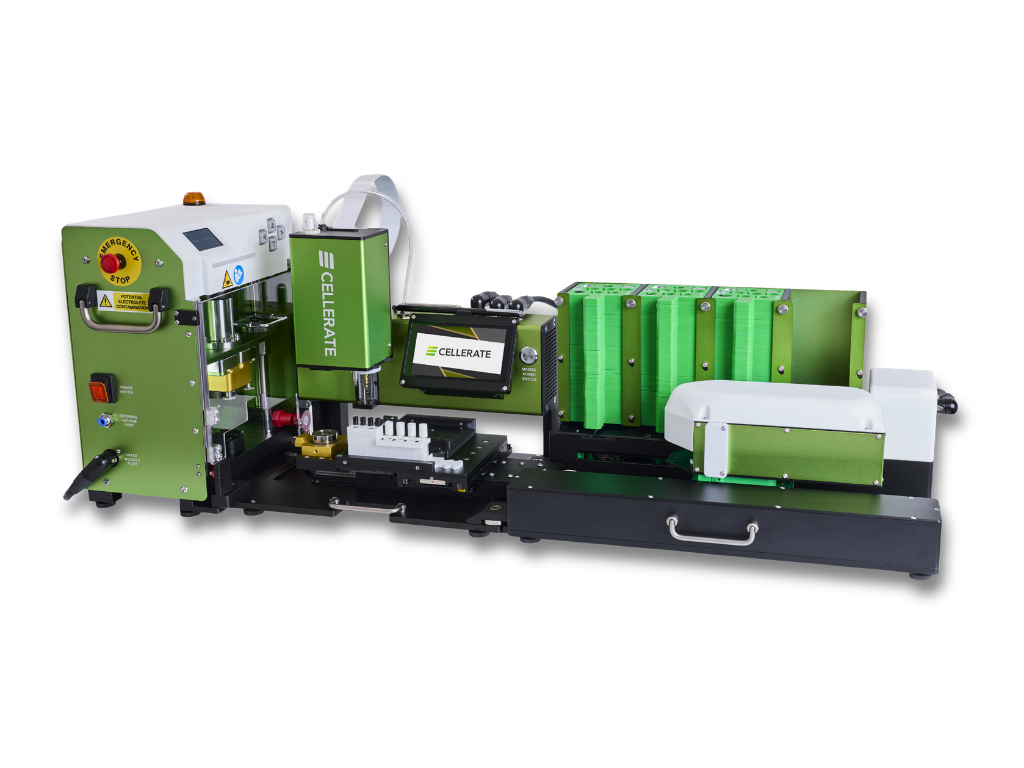
As prototype work moves towards larger and more application-relevant pouch cells, the broader system becomes increasingly important. The Multi-Layer Pouch Cell Assembly platform is designed specifically for research environments and allows teams to move from coin cells to multilayer pouch formats without adapting pilot-line equipment into the lab. It is positioned for reliable prototype cells in the 1 to 20 Ah range and for quick reconfiguration of cell shape, size, and materials.
That is where the Cutting System and Straight Stacking System become especially strong. The Cutting System is described as making electrodes of any shape, while the Straight Stacking System supports custom geometries for diverse applications and can be configured for use in a glovebox. This makes them well suited to teams prototyping non-standard cells for application-specific designs, where geometry and chemistry both need to remain flexible.

The Multi-Functional Press supports the same pathway by combining die cutting, pouch forming, lamination, and 3-side sealing in one machine, helping labs prototype larger pouch formats without filling the lab with separate single-function presses.
The E-PREP supports the same goal at the front end by providing a more controlled route from coated foils or sheets into prepared electrode samples. Together, these systems give prototyping teams a way to explore formats, validate designs earlier, and move towards more commercially relevant cells while keeping the workflow compact, reconfigurable, and chemistry-agnostic.



.png)
