Laser Decoating System
When researchers need to make single-layer test cells from electrodes taken from larger or multilayer cells, the electrode sample often has to be prepared from a double-sided coated foil.That usually means removing the coating from one side of the electrode while keeping the other side intact for testing.
In many labs, this is still done manually with solvent, wiping, scraping, or scrubbing. It is slow, messy, difficult to standardise, and carries a real risk of damaging the active coating on the side of the electrode that matters.
The Cellerate × Bergfeld Lasertech system automates this process using selective laser coating removal. The laser removes the unwanted coating from one side of the foil while preserving the current collector and the opposite electrode surface. The same system can then cut the prepared electrode to the required geometry, helping you move directly from double-sided coated foil to test-ready electrode sample.
From Double-Sided Foil To Single-Layer Test Cell Sample

Start with a double-sided coated electrode
Operator enters commands into the software and loads coated electrode rolls or sheets.

Remove the coating from one side
The laser selectively removes active material from the reverse side of the electrode, replacing manual solvent-based coating removal.

Preserve the side you want to test
The process is configured to avoid damaging the coating on the opposite side, so the electrode surface used for testing remains representative of the original cell.

Cut the electrode to shape
After coating removal, the same laser system can cut the electrode geometry required for your test cell, reducing the need for a separate punching step.

Assemble and test
The prepared electrode can then be used in single-layer pouch cells, Protocells, or other laboratory test formats.
Why Labs Use Laser Coating Removal
Replace slow manual scrubbing
Manual one-sided coating removal can take a long time, especially when several samples are needed. Laser processing makes the step faster, cleaner, and easier to repeat.
Reduce solvent-heavy preparation
The laser process reduces reliance on harsh solvent scrubbing, simplifying sample preparation and reducing operator exposure to messy manual steps.
Avoid damaging the test side
The main objective is not simply to remove coating. It is to remove coating from one side while protecting the electrode surface on the other side.
Combine coating removal and cutting
Because the same platform can cut the electrode after laser ablation, you can avoid moving delicate samples between a stripping process and a separate punching operation.
Improve consistency between samples
A defined laser process gives better control over the stripped area, sample geometry, and preparation method, reducing variation between operators and batches.
Applications In Battery R&D & Analysis
This system is particularly useful for:
- Preparing single-layer test cell samples from double-sided electrodes
- Recovering testable electrodes from multilayer pouch cells
- Preparing electrodes for post-mortem electrochemical testing
- Removing active material from selected current collector regions
- Cutting prepared electrodes without mechanical punching
- Preparing small-batch R&D samples with controlled geometry
- Comparing electrodes from different cell builds, batches, or process conditions
For these workflows, sample preparation should not introduce damage or uncertainty into the result. Laser coating removal provides a controlled route from real cell material to a test-ready sample.
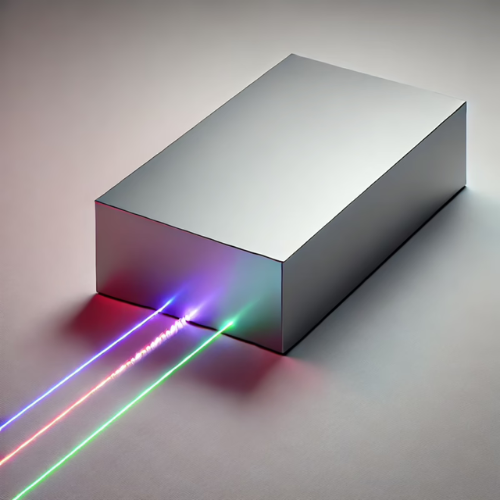
Selective Laser Ablation & Cutting
1064nm
Coating removal and electrode stripping
Used for selective removal of active material from copper or aluminium current collectors.
532nm
Foil cutting, de-oxidising, and activation
Used for cutting aluminium and copper, removing oxide layers, and activating selected metal surfaces.
355nm
Precision cutting and fine processing
Used for precise foil cutting and applications where a finer, lower-stress process is required.
Available System Configurations
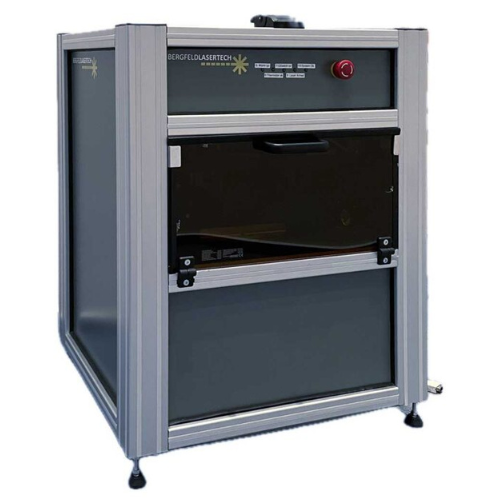
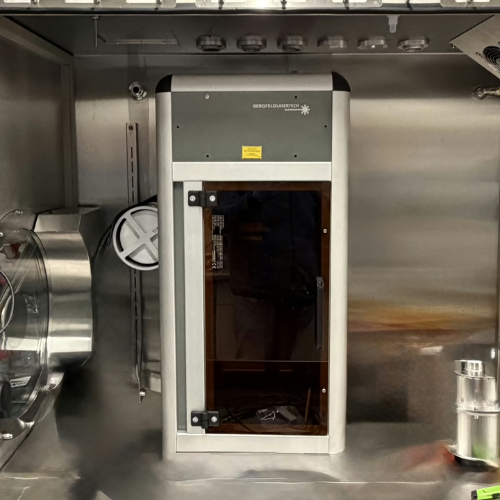
Mobile laser system for ambient-air operation
For electrode processing where glovebox integration is not required.
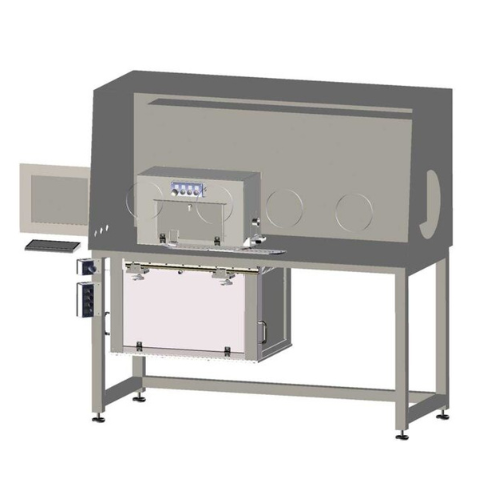
Glovebox laser system
For air-sensitive materials, recovered cell samples, lithium-containing electrodes, or workflows that must remain under inert atmosphere.
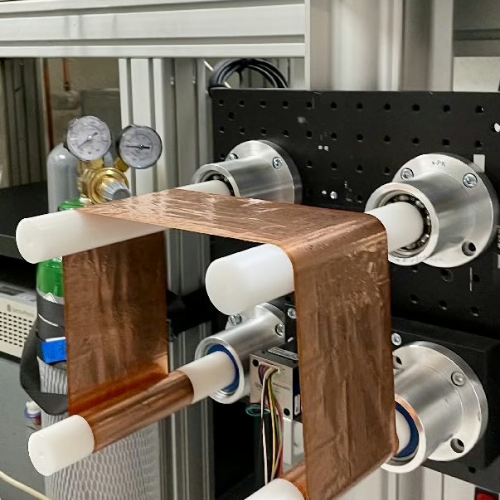
Roll-to-roll handling module
For continuous electrode foils, process development, and higher-throughput sample preparation.
Cellerate × Bergfeld Lasertech
Bergfeld Lasertech are German laser specialists with experience in selective laser processes for thin films, functional surfaces, and battery electrode materials.
Cellerate works with battery R&D and QC labs to automate practical steps around electrode preparation, cell assembly, and testing.
Together, we provide laser systems for battery laboratories that need to prepare electrode samples more consistently, reduce manual handling, and integrate coating removal and cutting into a controlled workflow.
Not Sure Whether Laser Coating Removal Is Suitable For Your Electrode Samples?
You do not need to share confidential formulation details to start the conversation. In most cases, we can give useful initial guidance from basic process information, such as the current collector material, approximate coating thickness, sample size, and whether the work needs to be carried out in air, dry room, or glovebox.
From there, we can advise whether laser coating removal, laser ablation, or laser cutting is likely to fit your workflow.