
Patented Machine Vision
Cellerate’s patented machine vision assembly technology enables battery R&D laboratories to build test cells through a controlled process that is not only automated, but checked and recorded.
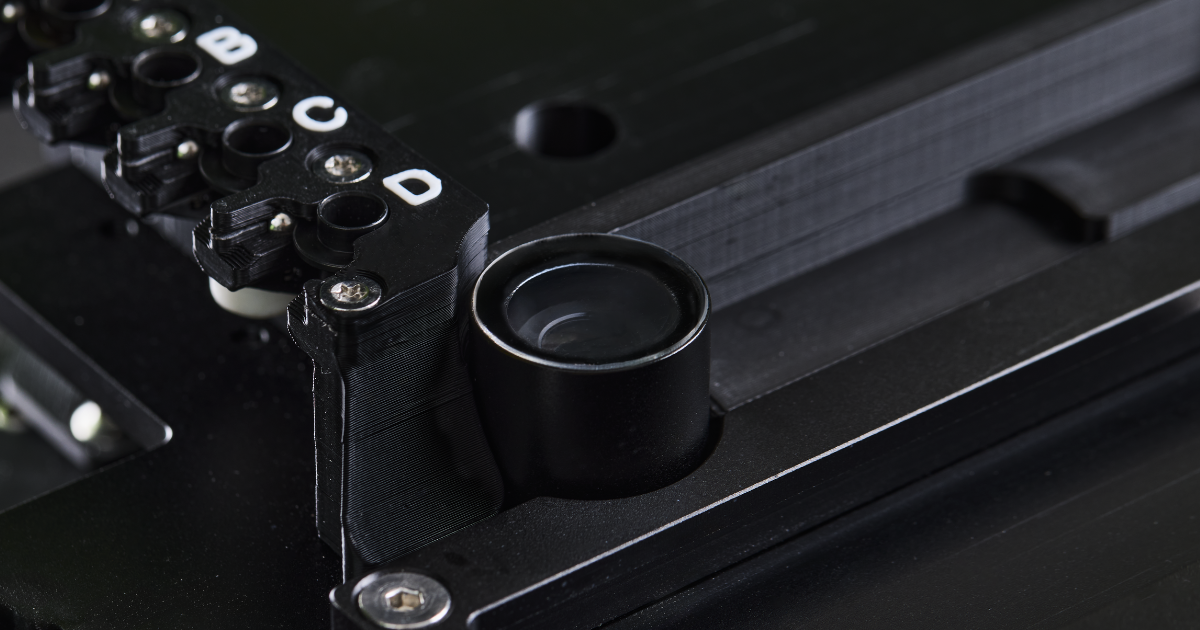
By combining robotic handling with upward- and downward-facing imaging, the CASS can identify component position, align each layer, validate placement after assembly, and record the build process for review and traceability.
The result is a more controlled assembly process, helping researchers separate genuine material behaviour from hidden variation introduced during cell assembly.
How Machine Vision Improves Battery Cell Assembly Consistency
Manual cell assembly depends heavily on operator skill. Even small differences in electrode position, separator placement, electrolyte dosing, or component handling can affect electrochemical results.
The CASS was developed to make these critical assembly steps more controlled, repeatable, and visible.
During assembly, the system images components before and after placement. This allows the CASS to guide alignment, verify the assembled stack, and create a visual record of the build.
Cell assembly becomes more than an automated task. It becomes a measured, repeatable process.
How Vision-Guided Assembly Works: See, Align, Place, Validate
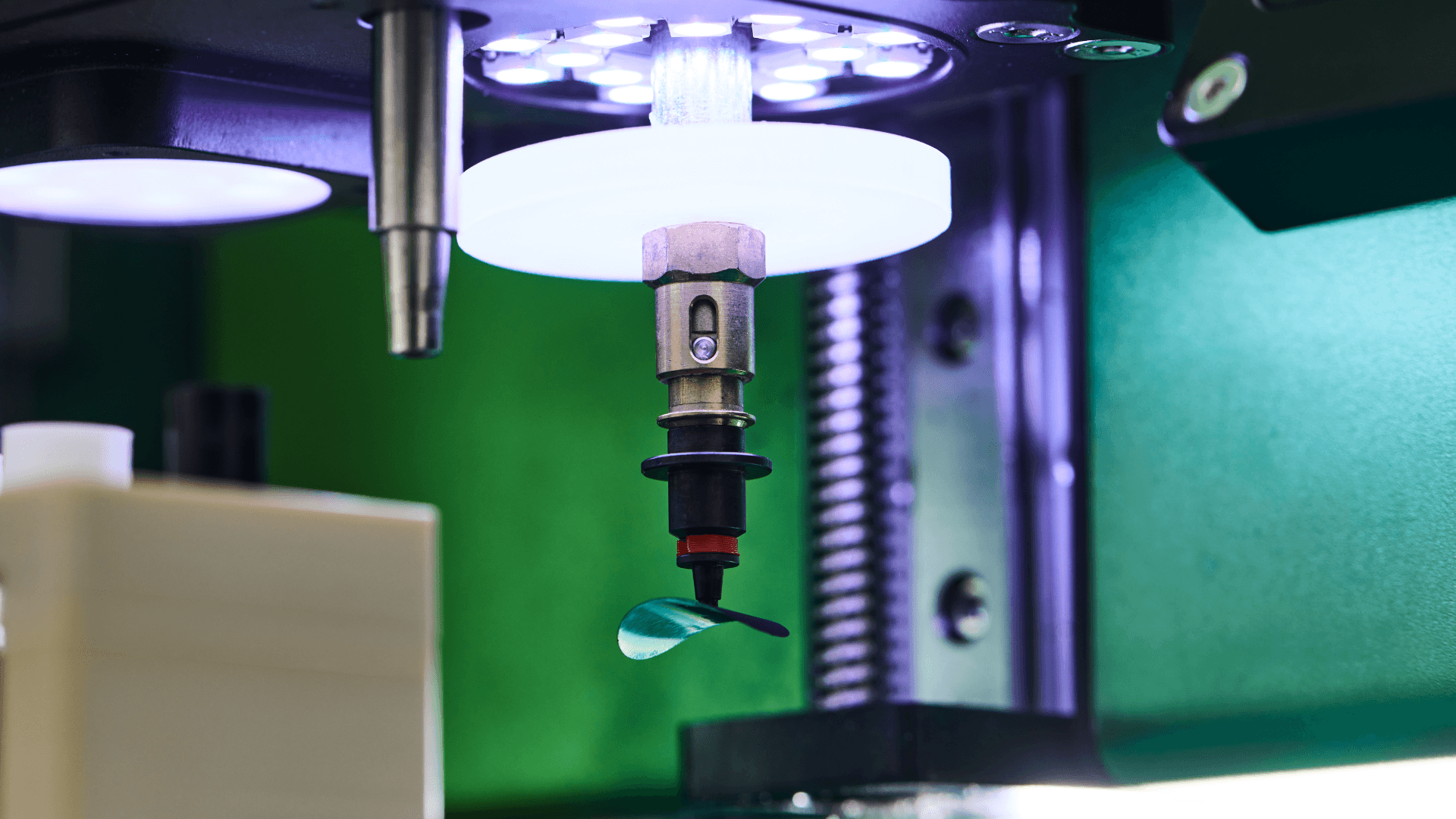
See: The CASS images each component before placement, identifying its position and orientation while it is held by the robotic head.
Align: The system uses this information to correct the placement path before the component is added to the stack.
Place: Electrodes, separators, and other components are positioned according to the programmed build routine.
Validate: The assembled stack is imaged after placement, creating a visual record that can be reviewed alongside electrochemical results.
How Build Records Help Researchers Identify Assembly Errors
When a manually assembled cell performs unexpectedly, it can be difficult to know whether the result came from the material, the test conditions, or the build itself.
Vision-guided assembly gives researchers a record of the build itself.
Build images and process records allow users to review how each cell was assembled, helping them identify misalignment, component defects, or handling issues that may explain unusual results. This makes it easier to distinguish material behaviour from assembly-related artefacts.
Automated Assembly for Electrodes, Separators, and Lithium Metal
Battery components are rarely ideal objects for automation. Electrodes can curl, separators can cling, lithium and sodium metal can deform, and wetted components can change shape during assembly.
This is why reliable automated assembly requires more than simple pick-and-place motion.
The Assembler Module combines machine vision, vacuum handling, controlled electrolyte dosing, and configurable build routines to support a wide range of materials, formats, and experimental procedures. This allows researchers to automate cell assembly without losing the flexibility needed for battery R&D.
How Vision-Guided Assembly Improves Data Quality
Vision-guided assembly helps battery labs:
- Reduce assembly-driven variability
- Improve confidence in electrochemical data
- Reduce dependence on individual operator skill
- Identify defects and handling issues during the build process
- Create traceable build records for every cell
- Compare materials, batches, and users more reliably
- Make better use of scarce, expensive, or difficult-to-handle materials
Patented Vision-Guided Battery Cell Assembly Technology
Cellerate’s vision-guided assembly approach is protected by patent rights covering key aspects of how stacked components are imaged, aligned, placed, and validated during automated assembly.
This patented technology reflects Cellerate’s focus on the practical details that determine whether small-format test cells produce meaningful, reproducible data.
Vision-Guided Assembly in the CASS Assembler Module
Vision-guided assembly is one of the core technologies behind the CASS Assembler Module.
Combined with automated electrolyte dosing, robotic handling, configurable build methods, and precise sealing, it helps researchers produce coin cells and Protocells with the consistency and traceability needed for reliable battery data.